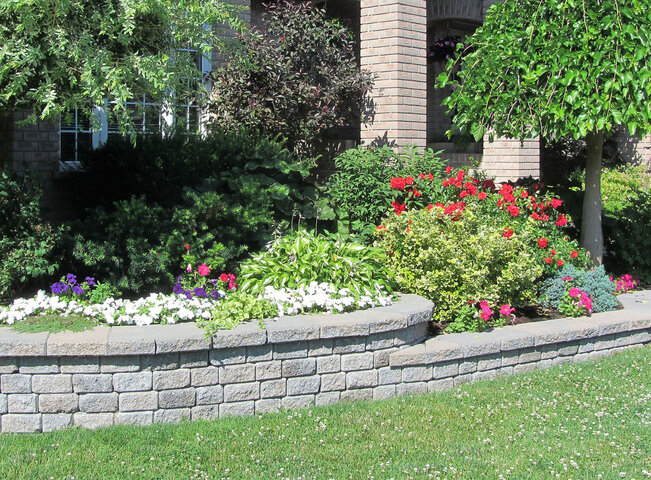
Flowerbed Work Liberty Hill. What if your flowerbeds could look pristine year round without constant weeding or crumbling borders? Masonry flowerbed work delivers exactly that—durable, elegant edges using stone, brick, or block that elevate curb appeal and cut maintenance. Done right, these beds become low effort focal points that boost property value by 10–15% through structured, professional design.
Why Choose Masonry for Flowerbeds?
Masonry flowerbeds outperform wood timbers or plastic edging in longevity and aesthetics. Stone or brick borders withstand Texas heat, freeze thaw cycles, and mower impacts without rotting or warping. Unlike temporary solutions, masonry creates permanent soil containment, preventing erosion and mulch migration while framing plants for maximum visual impact.
Observing Liberty Hill landscapes like those from Perfection Landscape, masonry beds integrate rock walls and borders seamlessly with native plants, creating paradise yards. The result? Beds that age gracefully, requiring only annual mulch refresh instead of full rebuilds every 2–3 years.
What Materials Work Best for Masonry Flowerbeds?
Selecting the right masonry depends on style, budget, and site conditions. Here’s a breakdown:
Brick Beds
Clay pavers or standard bricks offer classic warmth, matching many Texas homes. Mortared for permanence or dry stacked for drainage, they cost $8–$15 per sq ft installed. Pros: Affordable, DIY friendly; cons: Heat retention needs soil amendments.
Limestone or Chop Blocks
Texas limestone (white, nicotine, grey buff) provides authentic Hill Country vibe. Chop blocks (4–8″ heights) stack easily for curved beds. $12–$20/sq ft; excels in retaining walls for sloped yards.
Flagstone or Full Bed Stone
Irregular flagstone (native, Oklahoma, weathered) suits organic layouts. Arriscraft full bed stone mimics quarried look with precision. Ideal for patios blending into beds; $15–$25/sq ft.
Concrete Block or Retaining Stone
Versatile for raised beds; cap with flagstone for polish. Budget option at $6–$12/sq ft.
Match material to soil: Clay soils favor permeable stone; sandy needs deeper beds.
How Is Masonry Flowerbed Work Installed?
Professional installation ensures stability. Step by step:
- Planning/Layout: Measure, mark curves with string line. Excavate 6–8″ trench for footing.
- Base Prep: 4″ compacted gravel; level for drainage. Poor base causes settling.
- Material Set: Dry stack for flexibility or mortar (Type S mix) for permanence. Stagger joints like bricklaying. Backfill gravel for walls >2′.
- Soil & Plants: Amend with 50/50 soil/compost. Plant taller rear, spillers front. Mulch 3″.
- Finishing: Seal stone optional; weed barrier under mulch.
Expect 1–3 days for 100 sq ft; $50–$100/hr labor.
Common Flowerbed Work Mistakes to Avoid
Rushing base prep leads to shifting—always compact in 2″ lifts. Over mortaring traps moisture; use weep holes. Skipping soil test causes plant failure; aim pH 6.0–7.0. Tight spacing starves roots; leave 18–24″ between perennials.
In Liberty Hill, Perfection Landscape avoids these by using local stone matching soil drainage.
Cost Breakdown for Masonry Flowerbeds
| Bed Size | Material | DIY Cost | Pro Installed |
|---|---|---|---|
| 4×8′ | Brick | $200–$400 | $800–$1,500 |
| 4×8′ | Limestone | $300–$600 | $1,200–$2,000 |
| 10×20′ | Flagstone | $800–$1,500 | $3,000–$5,000 |
Factors: Labor $40–$80/hr; materials 40–60% total. ROI: 70% recouped at resale.
Maintenance for Longevity
Annual: Refresh mulch, inspect mortar cracks (repoint as needed). Biennial: Aerate soil, divide perennials. Water deeply weekly first year. Native plants (salvia, lantana) minimize work.
Masonry Flowerbeds: Your Landscape Investment
Masonry elevates flowerbeds from chore to showpiece. As seen in Perfection Landscape’s Liberty Hill work, rock borders and walls create paradise. Ready to transform? Consult pros for site specific plans—your yard deserves it.