Williamson County has grown faster than almost any county in the United States over the past decade. New neighborhoods are going up across Liberty Hill, Georgetown, Leander, and beyond and with that growth comes a lot of homeowners who want their properties to look as good as the day they moved in, or better.
But maintaining a landscaped yard in Williamson County isn’t quite the same as in other parts of Texas. The Hill Country climate, soil composition, and seasonal rhythms demand a specific, informed approach. Get it right and your yard becomes an outdoor living space you’re proud to show off. Get it wrong and you end up with dead patches, invasive weeds, or an irrigation system that quietly destroys your landscaping from the inside out.
This guide covers everything you need to know about professional landscaping maintenance in Williamson County what it includes, when to schedule it, and how to choose a contractor who actually knows what they’re doing.
1. What Landscaping Maintenance Includes in Williamson County
Landscaping maintenance is not the same as landscaping installation. Maintenance is the ongoing care that keeps an existing yard healthy, attractive, and functional. Think of it the same way you’d think about routine car maintenance you can get away without it for a while, but you’ll pay for the neglect eventually.
In Williamson County, a comprehensive landscaping maintenance program typically covers:
- Regular lawn mowing, edging, and trimming
- Fertilization on a seasonal schedule
- Weed control (pre-emergent and post-emergent treatments)
- Irrigation system inspection, repair, and seasonal adjustments
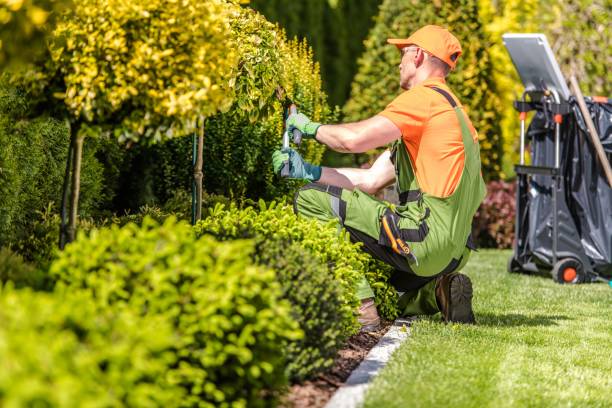
- Shrub and ornamental tree trimming
- Tree trimming and basic arborist care
- Flowerbed maintenance — edging, weeding, and mulch refreshing
- Seasonal cleanups (spring and fall)
- Core aeration to address soil compaction
- Pest and disease monitoring
Not every property needs all of these on the same schedule, but having access to a provider who can handle the full spectrum means you’re never scrambling to find multiple contractors for different tasks.
2. Seasonal Landscaping Calendar for Williamson County
One of the biggest mistakes Williamson County homeowners make is treating lawn care as a single-season activity. Your landscaping needs change significantly across the year and staying ahead of those changes is what separates a thriving yard from one that’s always playing catch-up.
Spring (March – May)
Spring is the most critical time of year for Williamson County lawns. Warm-season grasses are breaking out of dormancy, and what you do in these weeks sets the tone for the entire growing season.
- Apply pre-emergent herbicide before soil temperatures hit 55°F
- Begin fertilization as grass greens up
- Aerate if soil compaction was an issue the previous year
- Schedule a full irrigation system inspection before summer heat arrives
- Trim ornamentals and shrubs as new growth appears
- Refresh mulch in flowerbeds
Summer (June – August)
Summer in Williamson County means intense heat and periodic drought. Your main goals are keeping the lawn alive and healthy without overwatering or overfertilizing.
- Maintain regular mowing schedule (never remove more than one-third of blade length at once)
- Monitor irrigation coverage for dry and soggy spots
- Apply a light midsummer fertilizer if needed
- Treat any actively growing broadleaf weeds
- Watch for pest and disease pressure, especially in St. Augustine lawns (chinch bugs, brown patch)
Fall (September – November)
Fall is a second major opportunity for improving your lawn heading into the following year.
- Apply a potassium-rich fall fertilizer to strengthen roots before dormancy
- Overseed bare or thin spots if using a cool-season grass mix for winter color
- Schedule sprinkler winterization in October or early November
- Perform a fall flowerbed cleanup and mulch top-up
- Address any remaining weed pressure before dormancy
- Consider tree trimming while weather is cooler
Winter (December – February)
Warm-season grasses go dormant, but your landscaping doesn’t completely stop needing attention.
- Continue mowing at reduced frequency as needed
- Plan any major landscape installation or hardscape projects (cooler temps are better for working outdoors)
- Schedule sprinkler zone repairs while the system is off
- Monitor for weeds that thrive in cooler temperatures, such as annual bluegrass
3. Lawn Mowing and Edging Best Practices
Consistent mowing is the single most visible element of landscaping maintenance and it’s where many well-meaning homeowners accidentally damage their own lawns.
Never Scalp Your Lawn
Scalping cutting grass too short, especially after a period of missed cuts removes too much of the leaf blade at once and sends the plant into stress mode. In Williamson County’s summer heat, a scalped lawn can take weeks to recover, and in severe cases may develop permanent bare patches.
Match Mow Height to Grass Type
| Grass Type | Optimal Height | Notes |
|---|---|---|
| Bermuda grass | 1 – 1.5 inches | Very common in Williamson County; aggressive grower in summer |
| St. Augustine | 2.5 – 4 inches | Common in shadier lots; more disease-prone at wrong heights |
| Zoysia | 1.5 – 2.5 inches | Slower growing, handles shade better than Bermuda |
Clean Edges Make the Difference
Edge lines along sidewalks, driveways, curbs, and planting beds are what make a professionally maintained lawn look truly sharp. Sharp, consistent edging also prevents grass from creeping into your flowerbeds and concrete surfaces.
4. Weed Control: Pre-Emergent vs. Post-Emergent Strategies
Williamson County’s climate is hospitable to an impressive variety of weeds crabgrass, dallisgrass, nutsedge, broadleaf plantain, clover, and more. Managing them requires a two-phase approach.
Pre-Emergent Weed Control
Pre-emergent herbicides create a chemical barrier in the soil that prevents weed seeds from germinating. Timing is everything for spring weeds in Liberty Hill and surrounding areas, application needs to happen before soil temperatures consistently reach 55°F, typically in late February to early March.
A second application in early fall targets cool-season weeds that germinate as temperatures drop.
Post-Emergent Weed Control
Post-emergent treatments address weeds that are already growing. These products are selective (targeting specific weed types without harming your turf) or non-selective (killing everything they contact). Using the wrong product on the wrong grass type can cause serious damage, which is one reason professional weed control in Liberty Hill is worth the investment over DIY.
Struggling with weeds, patchy turf, or a yard that just won’t cooperate? The team at Perfection Landscape offers professional weed control and lawn care services throughout Williamson County. Get your free estimate today.
5. Tree Trimming and Shrub Maintenance
Trees and shrubs are often the most overlooked part of a landscaping maintenance plan and the most expensive to fix when neglected.
Why Tree Trimming in Williamson County Matters
The Hill Country is live oak country, and live oaks require specific care. Improper pruning cuts made at the wrong time of year can expose trees to oak wilt, a devastating fungal disease that has destroyed thousands of live oaks across Central Texas. Responsible tree trimming in Williamson County means making cuts during the appropriate dormancy window (typically December through January) and sealing cut surfaces immediately.
Beyond live oaks, ornamental trees crape myrtles, Texas redbuds, desert willows benefit from annual shaping to maintain their form and encourage flowering.
Shrub Maintenance Timing
Most shrubs in Williamson County landscapes should be trimmed after their primary blooming period has passed. Aggressive trimming at the wrong time removes next season’s flower buds and reduces the plant’s vigor. An experienced landscaping contractor knows the bloom cycles of the ornamentals most common in Williamson County and times trimming accordingly.
6. Irrigation Maintenance and Sprinkler Repair
The Hidden Cost of Neglected Irrigation
A broken sprinkler head running undetected can waste thousands of gallons of water and turn a portion of your yard into a soggy, disease-prone mess. A zone that’s not getting full coverage quietly creates dead spots that grow larger over successive dry weeks. Neither problem is obvious from casual observation but both show up clearly during a professional irrigation inspection.
Williamson County’s soil conditions (alternating clay and rocky caliche) create specific challenges for irrigation system performance. Systems often need zone-specific adjustments to account for how differently these soil types absorb water.
Annual Sprinkler Maintenance Checklist
A professional sprinkler maintenance visit should include:
- Testing every zone for full and uniform coverage
- Inspecting all sprinkler heads for breaks, clogs, or misalignment
- Checking valve performance and backflow prevention
- Evaluating controller programming and seasonal adjustment
- Verifying proper head-to-head coverage spacing
- Inspecting for and repairing any leaks
Sprinkler Winterization in Liberty Hill
Liberty Hill can see hard freezes in winter, and an un-winterized irrigation system is vulnerable to burst pipes and cracked heads. Professional winterization blowing out irrigation lines with compressed air removes standing water and protects your system from freeze damage. Schedule this service in October or early November for peace of mind heading into the cold months.
7. Aeration and Soil Health in Hill Country Soil
Why Williamson County Soil Needs Special Attention
Much of Williamson County sits on top of Cretaceous limestone geology, which means two common soil scenarios: heavy clay topsoil that compacts easily, and thin topsoil over rocky caliche. Both scenarios restrict water penetration and root development.
Core aeration addresses this directly. By mechanically removing small plugs of soil from the lawn surface, aeration reduces compaction, improves water infiltration, and allows oxygen and nutrients to reach the root zone more effectively.
When to Aerate in Williamson County
For warm-season grasses, the best aeration window is late spring to early summer when the grass is actively growing and can fill in the holes quickly. Aerating in fall is possible but should be timed carefully to avoid aerating too close to dormancy.
Pair aeration with topdressing (adding a thin layer of compost or sand) for even better long-term results, especially on clay-heavy lots.
8. Flowerbed Maintenance and Mulching
Flowerbeds can transform a yard’s appearance but they require consistent attention to deliver on their potential. Neglected beds fill with weeds, lose their mulch to erosion and decomposition, and plants compete for resources.
A sound flowerbed maintenance program includes:
- Edging: Keeping crisp, defined borders between beds and lawn areas
- Weeding: Removing weed growth by hand or with targeted herbicide application
- Mulch refresh: Applying two to three inches of fresh mulch annually to suppress weeds, retain moisture, and regulate soil temperature
- Pruning: Deadheading spent blooms and removing damaged growth
- Plant health monitoring: Identifying and treating insect damage, disease, or nutrient deficiencies
Mulching is especially important in Williamson County’s summer heat. A good mulch layer can reduce soil temperature by 10°F or more, significantly reducing moisture loss during drought conditions.
Take back your flowerbeds. Perfection Landscape offers professional flowerbed cleanup, edging, and mulching services in Liberty Hill and across Williamson County. Contact us for a free estimate.
9. How to Choose a Landscaping Contractor in Williamson County
Williamson County’s growth has brought a surge in landscaping companies and not all of them are worth hiring. Here’s how to evaluate your options:
Look for Local Experience
A contractor who has worked in Liberty Hill, Georgetown, or the surrounding Hill Country for multiple years understands the local soil, climate, and plant palette in ways that a newly established company or one that primarily works in other parts of Texas simply cannot replicate.
Verify Insurance and Communication
Any reputable landscaping contractor should carry general liability insurance and workers’ compensation. Ask for proof before signing any agreement. Equally important is communication: does the company respond to calls and emails promptly? Do they send notifications before visits? These habits reflect how they’ll treat your property.
Prioritize Transparency
The best contractors in Williamson County are upfront about pricing, scope, and any limitations on what they can offer. They’ll give you a written estimate, walk through what’s included, and be honest if a problem requires a specialist (like a licensed arborist or irrigation technician). Vague promises and verbal-only agreements are warning signs.
Owner-Operated vs. Large Franchises
Both can deliver quality service, but owner-operated landscaping businesses in Williamson County tend to be more personally invested in their reputation within the community. When the person doing the work is also the person whose name is on the company, the accountability is built in.
10. The Cost of Landscaping Maintenance in Williamson County
Prices vary by property size, service type, and frequency. Here’s a general range for Williamson County in 2025:
| Service | Estimated Cost Range |
|---|---|
| Lawn mowing (under 1/4 acre) | $45 – $75 per visit |
| Lawn mowing (1/4 to 1 acre) | $75 – $150+ per visit |
| Fertilization program (per application) | $60 – $120 |
| Pre-emergent weed control | $75 – $150 |
| Post-emergent spot treatment | $50 – $100 |
| Sprinkler inspection | $75 – $125 |
| Sprinkler winterization | $75 – $150 |
| Core aeration | $100 – $200+ |
| Tree trimming (per tree) | $150 – $500+ |
| Flowerbed cleanup | $100 – $300 |
| Seasonal cleanup | $150 – $500+ |
Annual maintenance contracts often provide better value than à la carte pricing and ensure your lawn receives attention at the right times of year. Ask about bundled service packages.
FAQ: Landscaping Maintenance in Williamson County
Q: What’s the difference between lawn care and landscaping maintenance?
“Lawn care” typically refers to services focused on the turf itself mowing, fertilizing, weed control, and aeration. “Landscaping maintenance” is a broader category that includes lawn care plus the upkeep of trees, shrubs, flowerbeds, irrigation systems, and other landscape elements. Most full-service landscaping contractors in Williamson County can handle both, and the terms are often used interchangeably.
Q: How often should landscaping maintenance be performed in Williamson County?
During the growing season (roughly March through October), most Williamson County properties benefit from weekly or bi-weekly maintenance visits. Off-season visits can be spaced further apart monthly or as needed. Certain services like fertilization, pre-emergent weed control, and aeration happen just a few times per year at season-specific intervals.
Q: Can I do landscaping maintenance myself and just hire out for seasonal services?
Absolutely, and many homeowners do exactly that. If you’re comfortable handling weekly mowing and basic upkeep, hiring a professional for fertilization, weed control, irrigation service, and seasonal cleanups is a practical middle ground. A good landscaping contractor will work with you to fill the gaps in your DIY maintenance program.
Q: When is the best time to schedule a sprinkler inspection in Williamson County?
The ideal time is early spring, before peak irrigation demand begins. This gives your contractor time to repair any issues before you’re relying on the system daily. A second inspection in fall (before winterization) is also wise to catch any problems that developed over the summer season.
Q: Does landscaping maintenance help with property values in Williamson County?
Research consistently shows that well-maintained landscaping adds meaningful curb appeal value to residential properties. Studies from the American Society of Landscape Architects and various real estate organizations have found that quality landscaping can account for 10–15% of a home’s total value. In a competitive real estate market like Williamson County, a well-maintained yard can be the difference that gets a home sold quickly and at asking price.
Q: What causes dead patches in my Williamson County lawn?
Dead patches have several common causes: irrigation coverage gaps (dry spots), overwatering or drainage issues (soggy spots leading to fungal disease), pest activity (grub damage from below, chinch bugs in St. Augustine), soil compaction, or chemical damage from fertilizer or herbicide misapplication. A professional can diagnose the root cause and recommend appropriate treatment rather than just patching the symptom.
Q: Is tree trimming in Williamson County a year-round service?
Most ornamental trees and shrubs can be trimmed at any time, with some nuances based on bloom cycles. However, live oak trimming in Central Texas should be done between December and January to reduce oak wilt risk. Professional landscaping contractors in Williamson County should be knowledgeable about this timing and advise accordingly if a company doesn’t mention it, that’s a red flag.
Q: What should a landscaping maintenance contract include?
A solid maintenance contract should clearly list: the specific services included, the frequency of each service, the pricing (per visit or monthly), any add-on services available and how they’re billed, the service area, notice requirements for cancellation, and contact information for service issues. Don’t sign anything that doesn’t spell out the services in detail.
Q: How do I know if I need aeration?
Look for these signs: water runs off the surface rather than absorbing into the soil, your lawn feels spongy or the soil is visibly compacted and hard, grass thins out despite regular care, or you have heavy clay soil and have never aerated. Thatch buildup (a dense layer of dead grass just above the soil surface) is another indicator. Most Williamson County lawns on clay soil benefit from aeration every one to two years.
Maintaining a landscape in Williamson County requires more than showing up with a mower once a week. It takes a working knowledge of local soil, grass types, seasonal timing, irrigation systems, and plant biology applied consistently throughout the year.
The homeowners who get the most out of their yards are those who partner with a landscaping contractor who understands all of these variables and manages them proactively. That partnership pays dividends not just in how the yard looks today, but in the long-term health of your turf, plants, and irrigation infrastructure.
Perfection Landscape has served Liberty Hill and Williamson County with that kind of hands-on, locally rooted approach for years. Our goal is simple: to make your yard your paradise no job too big, none too small.
Reach out today for a free estimate and let’s build a maintenance plan that works for your property.