Creating a beautiful landscape is one of the best investments homeowners can make. A professionally designed outdoor space not only enhances curb appeal but also improves property value, creates functional living areas, and makes everyday life more enjoyable. However, many landscaping projects fail to deliver lasting results because of avoidable planning and maintenance mistakes.
In Liberty Hill, Texas, landscaping comes with unique challenges. Hot summers, periods of drought, clay-heavy soils, sudden rainstorms, and changing seasonal conditions require thoughtful planning. A landscape that looks attractive during installation may quickly decline if it isn’t designed with Central Texas conditions in mind.
Many homeowners assume landscaping is simply about planting flowers, laying sod, or adding decorative features. In reality, successful landscaping combines design, horticulture, irrigation, drainage, and long-term maintenance. Every decision from selecting the right plants to installing proper drainage plays a role in how well your landscape performs over the years.
Whether you’re planning a complete landscape makeover or making smaller improvements, avoiding common mistakes can save thousands of dollars in future repairs while keeping your property attractive year-round.
This guide explains the most common landscaping mistakes Liberty Hill homeowners make and provides expert recommendations to help you create a healthy, sustainable, and beautiful outdoor space.
Why Proper Landscape Planning Matters
Many landscaping problems begin before the first shovel touches the ground. Without a comprehensive plan, homeowners often make decisions based on aesthetics alone, overlooking critical factors such as sunlight, drainage, irrigation, maintenance needs, and future plant growth.
Professional landscape planning focuses on balancing beauty with functionality. Instead of creating a yard that looks good only during the first season, experienced landscape contractors design outdoor spaces that continue to thrive for years.
A well-planned landscape offers several long-term benefits:
- Improves curb appeal
- Increases property value
- Reduces water waste
- Lowers maintenance costs
- Supports healthier lawns and plants
- Prevents erosion and drainage issues
- Creates enjoyable outdoor living spaces
Investing time in planning before installation often saves homeowners significant money and frustration later.
Mistake #1: Ignoring Central Texas Climate
One of the biggest landscaping mistakes homeowners make is copying ideas from other regions without considering Liberty Hill’s unique climate.
Central Texas experiences:
- Long periods of intense summer heat
- Occasional drought restrictions
- Heavy clay soils
- Sudden thunderstorms
- Temperature swings during winter
- Strong sunlight throughout much of the year
Plants that thrive in cooler or wetter climates frequently struggle under these conditions.
Why Climate Matters
Every plant has specific requirements for:
- Sun exposure
- Water consumption
- Soil drainage
- Heat tolerance
- Cold resistance
Ignoring these requirements often leads to:
- Dead plants
- Brown lawns
- Increased watering costs
- Frequent replacements
- Higher maintenance expenses
Instead of selecting plants solely for their appearance, homeowners should prioritize varieties proven to perform well in Central Texas.
Better Choices Include
- Native Texas grasses
- Drought-resistant shrubs
- Hardy ornamental grasses
- Texas Sage
- Red Yucca
- Esperanza
- Mexican Feather Grass
- Live Oaks
- Cedar Elms
These plants generally require less water while remaining attractive throughout the year.
Mistake #2: Choosing Plants Based Only on Appearance
Beautiful flowers displayed at a nursery don’t always belong in your yard.
Many homeowners purchase plants because they:
- Look colorful
- Are currently blooming
- Match online inspiration photos
- Are on sale
- Seem unique
Unfortunately, these decisions often ignore whether the plants are appropriate for Liberty Hill’s growing conditions.
Factors Every Homeowner Should Consider
Professional landscapers evaluate much more than appearance.
Mature Size
Small shrubs may eventually grow into large bushes that crowd sidewalks, windows, and neighboring plants.
Always ask:
- How tall will this plant become?
- How wide will it spread?
- Will it require constant pruning?
Planning for mature growth reduces future maintenance and prevents overcrowding.
Sunlight Requirements
Different plants require different amounts of sunlight.
| Sun Exposure | Best Plant Types |
|---|---|
| Full Sun | Texas Sage, Lantana, Yucca |
| Partial Shade | Indian Hawthorn, Autumn Fern |
| Full Shade | Cast Iron Plant, Holly Fern |
Placing shade-loving plants in full sun often results in scorched leaves, slow growth, and frequent replacements.
Water Requirements
Grouping plants with similar watering needs creates healthier landscape beds while improving irrigation efficiency.
Mixing drought-tolerant plants with water-loving species usually causes one group to suffer.
Mistake #3: Overlooking Soil Conditions
Healthy landscapes begin below the surface.
Many homeowners spend thousands on premium plants while completely ignoring soil quality.
Unfortunately, much of Liberty Hill contains heavy clay soils that create several landscaping challenges.
Common Clay Soil Problems
Heavy clay tends to:
- Hold excessive moisture
- Become extremely hard during dry weather
- Limit oxygen around roots
- Slow drainage
- Restrict root growth
Without proper soil preparation, even healthy plants struggle to establish themselves.
Signs Your Soil Needs Improvement
Watch for these warning signs:
- Standing water after rainfall
- Plants growing slowly
- Yellow leaves
- Bare lawn patches
- Cracked ground during summer
- Water pooling around flower beds
Professional landscapers often improve planting areas by incorporating organic compost, adjusting soil structure, and selecting plants suited to local soil conditions rather than attempting to force unsuitable species to grow.
Mistake #4: Poor Landscape Design Planning
Many homeowners purchase landscaping materials one weekend at a time without following an overall design strategy.
The result often feels cluttered, unbalanced, and expensive to maintain.
Professional landscape design considers every element as part of a unified plan.
A Successful Landscape Includes
Functional Spaces
Your yard should match your lifestyle.
For example:
- Outdoor entertaining areas
- Children’s play spaces
- Pet-friendly zones
- Walking paths
- Garden beds
- Privacy screening
Visual Balance
A professionally designed landscape balances:
- Plant heights
- Colors
- Textures
- Seasonal interest
- Hardscape features
- Open lawn areas
Rather than filling every available space with plants, experienced designers know when simplicity creates a stronger visual impact.
Future Growth
One of the biggest mistakes is planting everything too closely together.
Although a densely planted landscape may look full initially, overcrowding eventually causes:
- Poor airflow
- Increased disease
- Competition for water
- Difficult maintenance
- Constant pruning
Allowing adequate spacing ensures healthier growth and reduces long-term maintenance costs.
Mistake #5: Ignoring Drainage Problems
Many homeowners focus on plants, sod, and decorative features while overlooking one of the most important parts of a successful landscape—drainage. Poor drainage doesn’t just create puddles after heavy rain; it can damage your lawn, kill plants, erode soil, stain hardscapes, and even affect your home’s foundation over time.
In Liberty Hill and throughout Williamson County, clay-rich soils drain slowly, making proper water management essential. Heavy storms can quickly overwhelm yards that lack grading or drainage solutions, leaving standing water that stresses turf and encourages weed growth.
Signs of Poor Landscape Drainage
If you notice any of the following issues, your property may have a drainage problem:
- Water pooling for more than 24 hours after rain
- Muddy areas that never seem to dry
- Soil erosion on slopes
- Yellow or thinning grass
- Mulch washing into walkways
- Water collecting near your home’s foundation
- Plants declining despite regular watering
Ignoring these warning signs can lead to costly repairs and landscape replacement.
Professional Drainage Solutions
A professional landscaping company evaluates the entire property before recommending a drainage solution. Depending on the site, improvements may include:
- Regrading uneven areas
- Installing French drains
- Adding channel drains near patios and driveways
- Building dry creek beds
- Installing catch basins
- Using permeable materials for walkways
- Improving soil drainage with amendments
Proper drainage protects your landscape investment and keeps plants healthier throughout the year.
Mistake #6: Using an Inefficient Irrigation System
Water is one of the most valuable resources in Central Texas. An irrigation system that delivers too much or too little water can waste money and damage your landscape.
Many homeowners rely on outdated sprinkler systems with poor coverage or continue watering on fixed schedules regardless of rainfall or seasonal changes.
Common Irrigation Mistakes
- Watering every day instead of deeply and less frequently
- Sprinklers spraying sidewalks or driveways
- Broken or clogged sprinkler heads
- Incorrect sprinkler pressure
- Watering during the hottest part of the day
- Using the same watering schedule year-round
- Ignoring leaks
These issues increase water bills while preventing healthy root development.
Smart Irrigation Practices
Modern irrigation systems improve water efficiency by using:
- Smart irrigation controllers
- Rain sensors
- Soil moisture sensors
- Drip irrigation for planting beds
- High-efficiency sprinkler nozzles
- Zoned watering based on plant needs
Grouping plants with similar water requirements also reduces waste and promotes healthier growth.
Featured Snippet: How can homeowners reduce landscape water waste?
Homeowners can reduce landscape water waste by installing smart irrigation controllers, watering early in the morning, repairing leaks promptly, using drip irrigation in flower beds, grouping plants with similar water needs, and adjusting watering schedules seasonally. These practices improve plant health while lowering utility costs.
Mistake #7: Planting Trees Too Close to Your Home
Trees add beauty, shade, and value to any property, but poor placement can create long-term problems.
A young tree may look harmless today, but as it matures, its roots and branches can interfere with structures, utilities, and hardscapes.
Potential Problems
Trees planted too close to buildings may eventually cause:
- Roof damage from overhanging limbs
- Foundation concerns
- Cracked sidewalks
- Damaged irrigation lines
- Clogged gutters
- Reduced airflow around the home
- Increased pest activity
Proper spacing depends on the mature size of the tree not its size at planting.
Recommended Planning
Before planting, consider:
- Mature height
- Mature canopy width
- Root spread
- Distance from utilities
- Distance from fences
- Sun exposure
- Nearby structures
Professional landscape designers account for these factors to avoid expensive problems years later.
Mistake #8: Neglecting Regular Landscape Maintenance
Even the best-designed landscape requires ongoing care.
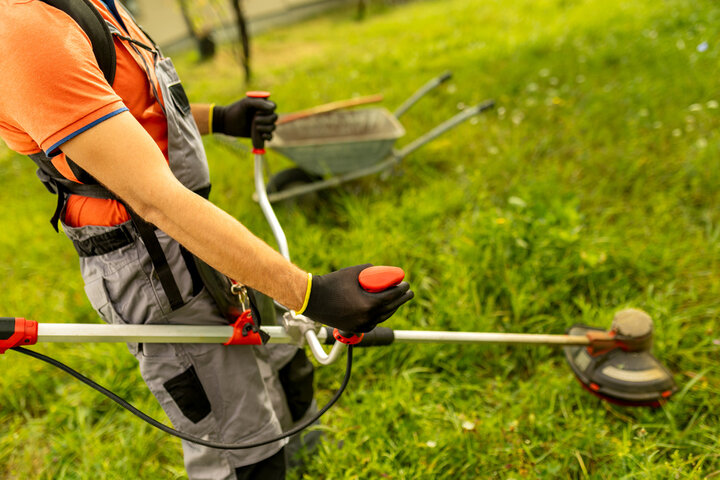
Many homeowners invest in a beautiful installation but underestimate the maintenance needed to keep it looking its best. Without routine upkeep, weeds spread, plants become overgrown, irrigation issues go unnoticed, and lawns lose their healthy appearance.
Essential Landscape Maintenance Tasks
A healthy landscape benefits from regular:
- Lawn mowing
- Edging
- Weed control
- Seasonal pruning
- Mulching
- Fertilization
- Irrigation inspections
- Pest monitoring
- Leaf removal
- Plant health evaluations
Routine maintenance extends the life of your landscape while protecting your investment.
DIY vs. Professional Maintenance
| DIY Maintenance | Professional Maintenance |
|---|---|
| Basic mowing | Comprehensive lawn care |
| Occasional weeding | Scheduled weed management |
| Manual watering | Irrigation monitoring and adjustments |
| Basic pruning | Correct seasonal pruning techniques |
| Limited plant knowledge | Expert plant care recommendations |
While homeowners can handle some routine tasks, professional maintenance helps identify small issues before they become major expenses.
Mistake #9: Prioritizing Price Over Quality
Choosing the lowest estimate may seem like a smart financial decision, but it often leads to disappointing results.
Some contractors reduce costs by using lower-quality materials, skipping soil preparation, installing undersized irrigation systems, or rushing the installation process.
The result may include:
- Poor plant survival
- Uneven sod installation
- Drainage failures
- Premature hardscape damage
- Increased maintenance costs
What to Look for in a Landscaping Company
Instead of focusing only on price, evaluate:
- Experience in Central Texas landscaping
- Portfolio of completed projects
- Local references and reviews
- Knowledge of native plants
- Irrigation and drainage expertise
- Clear written estimates
- Warranties on workmanship
- Proper licensing and insurance where applicable
Working with an experienced landscape contractor often provides better long-term value than selecting the lowest bid.
Mistake #10: Forgetting About Long-Term Growth
One of the biggest design mistakes is creating a landscape that looks great today but becomes difficult to maintain in just a few years.
Plants continue to grow, trees mature, and families’ outdoor needs change over time.
Professional landscape planning focuses on how the property will look five, ten, or even twenty years from now.
Plan for the Future
A sustainable landscape should consider:
- Future tree growth
- Seasonal color changes
- Irrigation upgrades
- Outdoor lighting additions
- Patio expansions
- Drainage improvements
- Low-maintenance plant selections
- Water conservation
Planning ahead minimizes costly renovations and keeps your landscape functional as your needs evolve.
Expert Recommendations for Liberty Hill Homeowners
Professional landscapers understand that every property is unique, but several best practices consistently lead to healthier and more attractive landscapes in Central Texas.
Choose Native and Adaptive Plants
Native and adapted species are better suited to local weather patterns, requiring less water and maintenance while supporting local wildlife and pollinators.
Improve Soil Before Planting
Healthy soil provides the foundation for healthy plants. Adding organic matter and addressing drainage concerns before installation greatly improves long-term success.
Install Efficient Irrigation
Water should be applied only where and when it is needed. Modern irrigation technology helps conserve water while promoting deeper root growth.
Refresh Mulch Annually
A fresh layer of mulch helps regulate soil temperature, suppress weeds, retain moisture, and improve the overall appearance of planting beds.
Schedule Seasonal Landscape Inspections
Routine inspections identify irrigation leaks, pest activity, drainage issues, and plant health concerns before they become expensive repairs.
Best Practices for a Healthy Landscape
Homeowners who want a landscape that remains attractive throughout the year should follow these proven practices:
- Develop a long-term landscape plan before installation.
- Select plants suited to Liberty Hill’s climate and soil.
- Water deeply but less frequently to encourage stronger roots.
- Keep mulch away from tree trunks to prevent rot.
- Fertilize lawns based on soil and seasonal needs.
- Prune trees and shrubs at the appropriate times of year.
- Inspect irrigation systems regularly for leaks and broken heads.
- Address drainage issues before installing new landscaping.
- Replace struggling plants with better-adapted varieties.
- Work with experienced landscaping professionals for major projects.
These steps help create a landscape that is not only visually appealing but also easier to maintain.
When Should You Hire a Professional Landscaping Company?
While many homeowners enjoy tackling weekend yard projects, certain landscaping tasks require professional expertise, specialized equipment, and knowledge of local conditions. Hiring an experienced landscaping company helps ensure your investment delivers long-lasting beauty, functionality, and value.
Consider working with a professional landscape contractor if you are planning to:
- Install a new landscape for a recently built home
- Redesign your front or backyard
- Solve drainage or erosion problems
- Upgrade or replace an irrigation system
- Build retaining walls, patios, or walkways
- Improve curb appeal before selling your home
- Reduce maintenance with drought-tolerant landscaping
- Create an outdoor living space for entertaining
A professional team can assess your property’s soil, grading, sun exposure, and drainage to recommend solutions that work specifically for Liberty Hill’s climate.
Why Professional Landscaping Is a Smart Investment
Landscaping isn’t just about making your yard look attractive—it’s an investment in your home’s value and your quality of life.
According to real estate professionals, well-maintained landscaping can improve a home’s curb appeal and make a positive first impression on potential buyers. Beyond aesthetics, a thoughtfully designed landscape can also:
- Improve outdoor functionality
- Reduce soil erosion
- Increase shade and energy efficiency
- Support healthier lawns and gardens
- Enhance privacy
- Lower long-term maintenance costs
- Create enjoyable outdoor spaces for family and guests
By avoiding the common mistakes covered in this guide, you’ll spend less time correcting problems and more time enjoying your outdoor space.
Frequently Asked Questions
1. What is the biggest landscaping mistake homeowners make?
The most common mistake is starting a landscaping project without a long-term plan. Homeowners often focus on appearance while overlooking important factors such as soil conditions, drainage, irrigation, plant maturity, and maintenance requirements. A well-designed landscape balances beauty with functionality and is tailored to the local climate.
2. Which plants grow best in Liberty Hill, TX?
Native and drought-tolerant plants generally perform best because they are adapted to Central Texas conditions. Popular choices include Texas Sage, Red Yucca, Esperanza, Gulf Muhly, Mexican Feather Grass, Live Oak, Cedar Elm, and Lantana. These plants typically require less water and maintenance than non-native varieties.
3. How often should I water my landscape?
Watering frequency depends on the season, weather, soil type, and plant species. In general, deep, infrequent watering encourages stronger root systems than frequent shallow watering. Smart irrigation controllers and seasonal adjustments help prevent both overwatering and underwatering.
4. Why does my lawn have standing water after it rains?
Standing water usually indicates poor drainage caused by compacted clay soil, improper grading, blocked drainage paths, or inadequate drainage systems. Addressing the underlying cause with grading improvements or professional drainage solutions helps prevent damage to lawns and landscaping.
5. Is professional landscape design worth the investment?
Yes. Professional landscape design helps homeowners avoid costly mistakes by considering plant selection, drainage, irrigation, maintenance, and future growth before installation begins. A well-planned landscape often lasts longer, requires less maintenance, and increases property value.
6. How can I reduce landscape maintenance?
Choose native or adaptive plants, install efficient irrigation, apply mulch annually, maintain healthy soil, prune plants at the proper time, and develop a seasonal maintenance schedule. Designing with low-maintenance materials and plants also reduces long-term upkeep.
7. When is the best time to start a landscaping project in Central Texas?
Spring and fall are generally ideal because temperatures are milder and plants have more time to establish before extreme summer heat or winter cold. However, many landscaping improvements—including drainage, hardscaping, and irrigation upgrades—can be completed throughout much of the year with proper planning.
8. How do I know if my irrigation system needs upgrading?
Signs include unusually high water bills, dry spots, overspray onto sidewalks, broken sprinkler heads, uneven watering, or outdated timers that don’t adjust for weather conditions. Upgrading to a smart irrigation system can improve efficiency and promote healthier landscapes.
9. Should I replace unhealthy plants or improve the soil first?
Before replacing plants, evaluate the soil, drainage, sunlight, and watering practices. Many plant problems are caused by environmental conditions rather than the plants themselves. Improving soil quality and correcting irrigation or drainage issues often leads to healthier growth.
10. How often should landscaping be professionally maintained?
Most residential properties benefit from routine maintenance every one to two weeks during the growing season, with seasonal inspections for irrigation, pruning, fertilization, and plant health. A consistent maintenance schedule helps prevent minor issues from becoming costly repairs.
Ready to Transform Your Landscape?
Whether you need a complete landscape design, lawn installation, irrigation improvements, drainage solutions, or routine landscape maintenance, our experienced team is here to help.
We create customized outdoor spaces that are designed for Liberty Hill’s climate, built to last, and tailored to your property’s unique needs.
Contact us today to request a free consultation and discover how professional landscaping can enhance your home’s beauty, functionality, and long-term value.